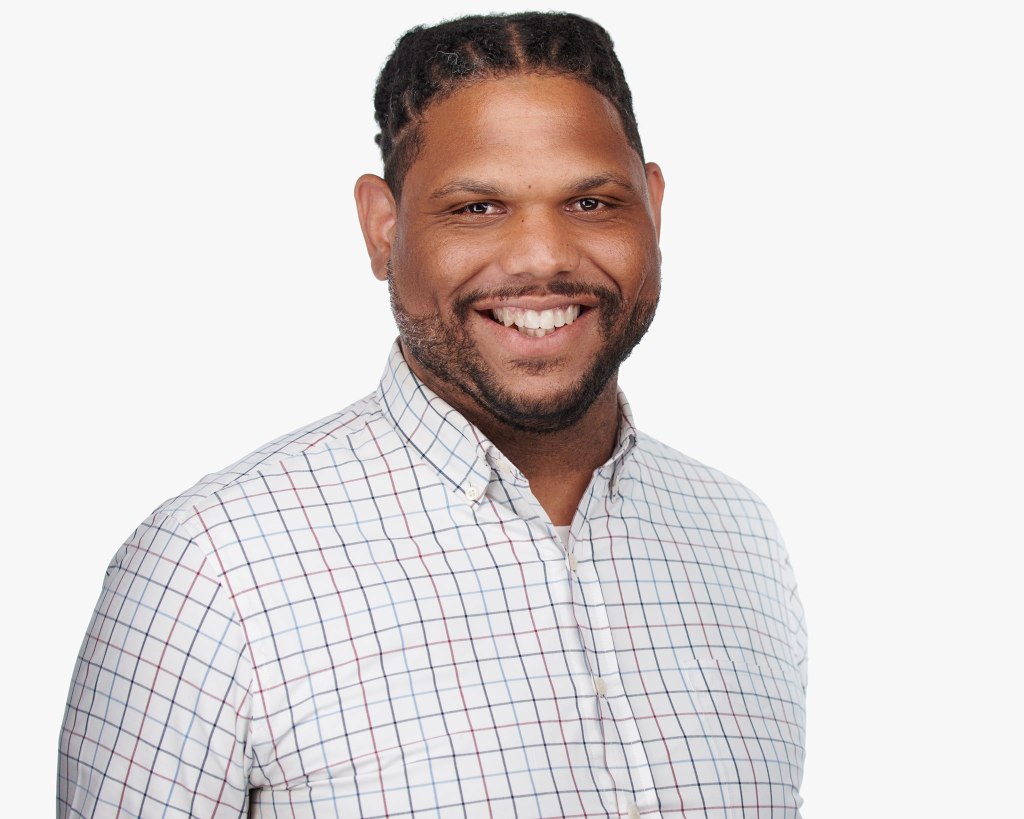
I want to share this from the heart.
I am no longer licensed as a therapist.
For a long time, this was something I held quietly. Not out of denial, but because I needed time to slow down, to face it honestly, and to take responsibility for the choices and conditions that led me here.
What I’ve come to understand is that trauma doesn’t disappear when it’s ignored. It waits. It accumulates. It shapes how we think, how we feel, and how we hold boundaries, especially in helping roles where we are trained to prioritize others while postponing ourselves. I have had to reckon with how my own unresolved trauma influenced my judgment and contributed to ethical boundary crossings. Naming that truth has been painful, but it has also been essential to my healing.
Over the past year, I’ve done some of the deepest work of my life. I entered inpatient treatment for addiction, including intensive outpatient care, and I am active in a 12-step recovery program. That work changed me. I am not who I was before. I am more present, more grounded, and more honest with myself than I have ever been. At the same time, I know healing is not a finish line. It is something I continue to choose, day after day.
Losing my license was a profound grief. It meant the loss of an identity I had built my life around. And yet, it also became a turning point. It forced me to stop performing stability and start living in truth. It asked me to rebuild from integration rather than fragmentation, from wholeness rather than survival.
During this process, I wrote a book titled Depathologizing Neurodivergence. I didn’t write it to defend myself or to explain away harm. I wrote it from the other side of collapse, as an act of honesty and accountability. Writing became one way I honored my lived experience and gave language to what it can be like for a therapist carrying their own trauma while trying to hold others. It helped me make sense of what I had been carrying, and it became part of my effort to work toward making amends to a field I care deeply about, as well as to those who have been impacted by my choices and decisions.
I also hold a sincere hope that by being transparent about navigating trauma while holding the role of therapist, my experience can help other clinicians who are struggling quietly. It is incredibly difficult to hold professional responsibility and personal pain at the same time. My hope is that honesty like this can create more space for support, accountability, and earlier intervention, before harm occurs.
My new career path means starting over. In many ways, it has meant beginning again from rock bottom. Letting go of titles, certainty, and the version of myself I thought I needed to be. Rebuilding slowly, honestly, and with all parts of myself present. Choosing alignment over appearance. Choosing truth over performance.
I continue to do work that feels true to my spirit. Writing. Training. Coaching. Building frameworks rooted in accountability, nervous system awareness, and real human healing. That work no longer comes from a place of expertise or certainty. It comes from integration.
I am not fixed. But I am well. And I am committed to staying well through ongoing care, recovery, community, and truth.
This is not a request for sympathy. It is a reflection of where I stand.
If you are carrying parts of yourself in silence while trying to look okay on the outside, I want you to know that change is possible. Healing does not mean erasing the past. It means learning how to live with it honestly, responsibly, and with care.
Thank you for being here and for witnessing this part of my journey.
 SirAaronMason.com
Leave a comment